The 185th Fallen Soldier Identified
JO EUNG-SEONG
CORPORAL
- 07 / 10OPERATION
HOMECOMING01 RECOVERY
Traces of
His Last BattleA recovery soldier from the Army’s 5th Division first identified a hip bone during the initial excavation.
A detailed excavation by a forensic specialist then revealed remains on the floor of a foxhole. He was found lying face down, where he had rested on the foxhole floor.
PIC. 01Only his upper-body remains were recovered. Penetration marks in the steel helmet and skull suggested a possible cause of death, deepening the sorrow of the soldiers taking part in the recovery.
PIC. 02 02 FALLEN IN BATTLE
On the Front Line
at White Horse HillServing with the 30th Regiment of the Republic of Korea Army’s 9th Division, he fought in the Battle of White Horse Hill.
He is believed to have been killed in October 1952 while defending against a large-scale Chinese offensive.
PIC. 03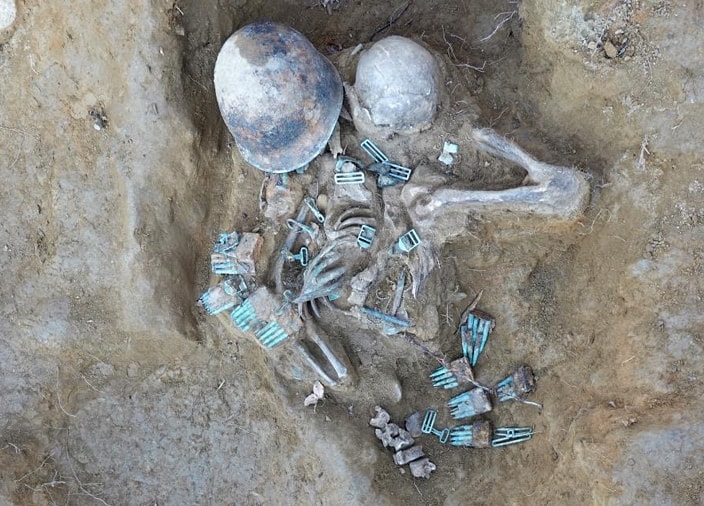
[Recovered remains of Jo Eung-seong]
KOREAN WAR BATTLE RECORD | PIC.04BATTLE OF
White Horse Hill1952.10.06 - 1952.10.15
TOPOGRAPHIC MAP
OF KOREAThe Republic of Korea Army’s 9th Division and Chinese forces fought twelve engagements for control of White Horse Hill; the hill changed hands seven times. The fierce fourth engagement was fought between the Republic of Korea Army’s 9th Division and the Chinese 38th Army.
03 IDENTIFICATION
Records That Reunited
Father and DaughterWhen his personal effects yielded no name, MAKRI traced his daughter, Jo Yeong-ja, through a study of military service records of those killed at White Horse Hill—research conducted alongside the recovery operations there.
Personal effects of Jo Eung-seongPIC. 05A DNA sample collected from her during a mobile field investigation on 26 October 2021 established a father–daughter relationship with remains recovered two days later, confirming his identity.
PIC. 0604 THE FAMILY
A Father Returns to His Two Daughters
He had been farming diligently alongside his parents and raising a family when the war broke out.
After a period of displacement, he enlisted at the 1st Training Centre on Jeju Island in May 1952, leaving behind his wife and two daughters, aged five and three.
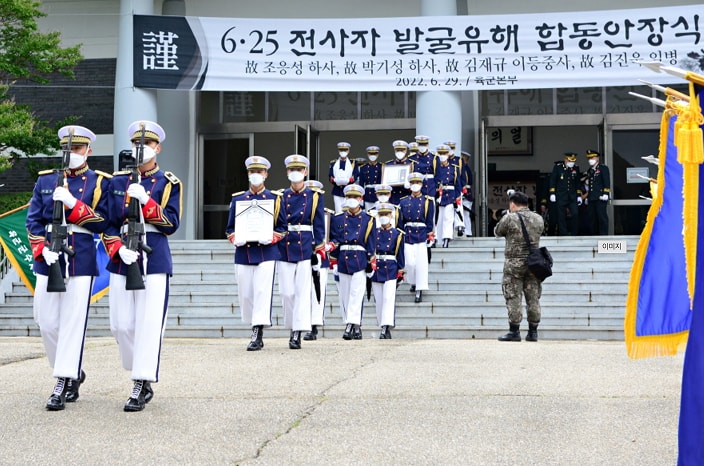
On hearing the news of the identification, his daughter Jo Yeong-ja asked with deep emotion, “Have you found my father?”
After the identification process was explained to her in detail, she said, “Only now does it feel real that my father has been found.”
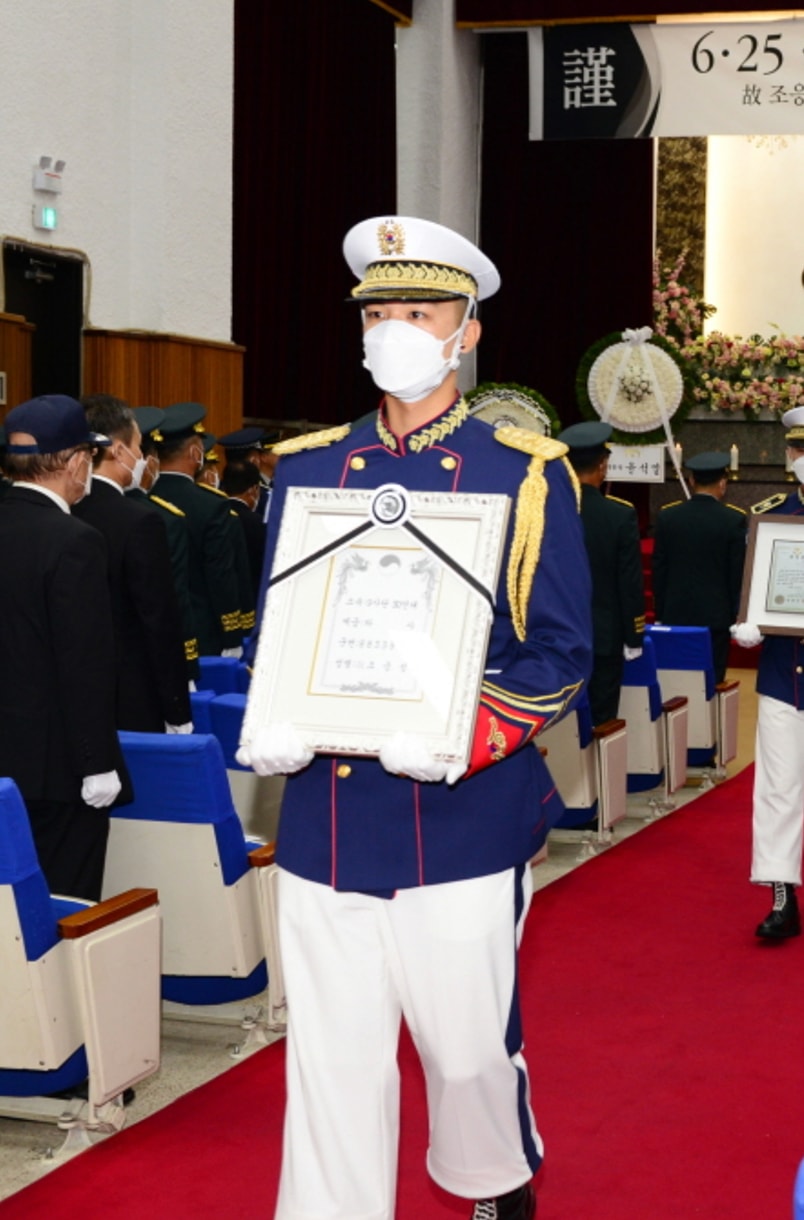
She remembered, “One day, my father brought home squid, and we enjoyed eating it together.
I think he wanted to give his children something good to eat as his way of saying goodbye. I can never forget that moment...”